



Spring Lawn Care in La Salle County: What Your Cool-Season Grass Needs Now
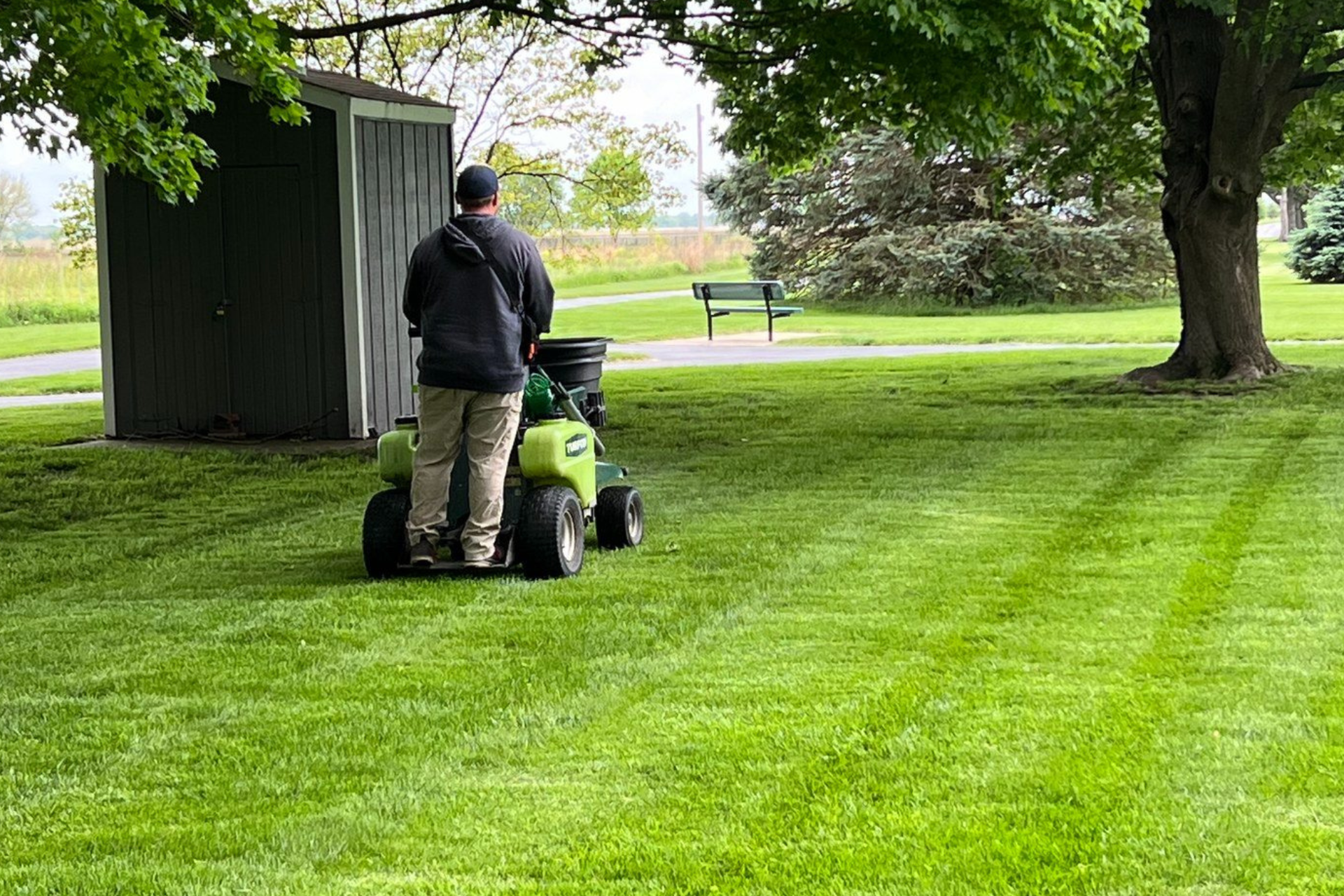
Short Answer: Cool-season lawns in La Salle County (Kentucky bluegrass, perennial ryegrass, and tall fescue) are entering their first peak growth period of the year. Your spring priorities should include confirming pre-emergent crabgrass control was applied before soil temperatures reach 55 degrees, applying a light spring fertilizer to fuel recovery without pushing excessive growth, setting your mower height to 3 to 3.5 inches from the first cut, and holding off on heavy watering until the lawn is fully established and temperatures rise. Here is the full breakdown for our area.
If you are a homeowner in La Salle County watching your lawn come back to life after another Illinois winter, spring is your most important window of the year. The decisions you make in April and May determine how your lawn performs all the way through summer and into fall. Get them right and you set the foundation for a thick, healthy lawn that handles heat, drought, and foot traffic. Miss them and you are fighting an uphill battle for the rest of the season.
Here is what we recommend for La Salle County cool-season lawns based on over 50 years of experience caring for lawns across Princeton, Ottawa, La Salle, Peru, Mendota, and the surrounding communities.
Pre-Emergent: The One Window You Cannot Miss
Pre-emergent herbicide prevents crabgrass and other summer annual weeds by creating a barrier in the soil before their seeds germinate. In La Salle County, soil temperatures typically approach the 55-degree threshold in mid to late April, though warm springs can push that earlier.
The application needs to go down before germination begins. Once crabgrass is up and growing, pre-emergent is no longer effective and you are stuck fighting it with post-emergent products that cost more and work less consistently. This is the single most impactful spring treatment for your lawn, and the timing window is narrow.
If you are not sure whether pre-emergent has been applied to your lawn this spring, now is the time to address it. Every week you wait reduces the effectiveness of the barrier.
Spring Fertilization: Feed Recovery, Not Excessive Growth
Cool-season grasses in La Salle County come out of winter with depleted energy reserves. A light spring fertilizer application helps fuel the recovery process, supporting root development and filling in any thin spots that winter left behind.
The key word here is “light.” The most common spring fertilization mistake in our area is applying too much nitrogen too early. This pushes rapid top growth that looks impressive for a few weeks but actually depletes the plant’s energy, creates more mowing work, and makes the grass more susceptible to disease and summer stress.
A balanced, slow-release fertilizer applied once the grass is actively growing (typically mid-April in La Salle County) provides steady nutrition without the surge. Save the heavier feeding for fall, when cool-season grasses are building the root reserves they will need for the following year.
Mowing Height: Start High and Stay There
For cool-season grasses in La Salle County, the ideal mowing height is 3 to 3.5 inches throughout the growing season. This height promotes deep root growth, creates a dense canopy that shades out weeds, and helps the lawn retain soil moisture during dry periods.
Resist the temptation to scalp the lawn on the first mow of the season. Cutting the grass very short removes stored energy, exposes bare soil to sunlight (which promotes weed germination), and stresses the plant right when it is trying to recover from winter. Set your mower to 3 inches from the very first cut and keep it there.
During the spring growth surge, you may need to mow every 5 to 7 days to stay within the one-third rule. Never remove more than one-third of the grass blade in a single mowing. This keeps the lawn healthy and avoids the clumping and scalping that create problems later in the season.
Broadleaf Weed Control: Act While They Are Small
Spring is when broadleaf weeds like dandelions, clover, and plantain are most vulnerable. They are actively growing, small, and responsive to post-emergent herbicide treatment. The same weeds become much harder to control once they mature, flower, and spread seed in summer.
A targeted broadleaf weed control application in mid to late spring catches these weeds when they are easiest to eliminate. This is also when you will start to see the results of your pre-emergent application working, as the areas where crabgrass would normally appear remain clean.
For lawns with significant weed pressure, two spring applications spaced 4 to 6 weeks apart may be needed to bring the weeds under control. After the first year of consistent treatment, weed pressure typically decreases substantially.
Watering: Let Spring Do the Work
La Salle County typically receives adequate spring rainfall to support cool-season grass growth without supplemental irrigation. Running sprinklers in spring can actually do more harm than good by encouraging shallow root development and creating consistently damp conditions that favor fungal diseases.
Wait to begin regular watering until late spring or early summer when rainfall decreases and temperatures climb. When you do start, the approach should be deep and infrequent: about 1 inch per week in one or two longer sessions. This encourages roots to grow deep, building a lawn that withstands Illinois summer heat without constant watering.
What to Do Next
If your La Salle County lawn needs spring attention and you want professional help, Taylor’s Way is here. We have been caring for lawns across Princeton, Ottawa, Peru, La Salle, Mendota, and the surrounding communities for over 50 years, and our certified lawn experts understand the specific conditions and challenges of our area.
Call us at (815) 875-8231 or visit taylorsway.com to request your free estimate. Our 100% No Risk Guarantee means you must be absolutely delighted with our services, or we redo the work for free. Four generations of the Taylor family have built this company on that promise, and we stand behind it every single day.