



What ISA-Certified Arborists Do (And Why Your Trees Need One)
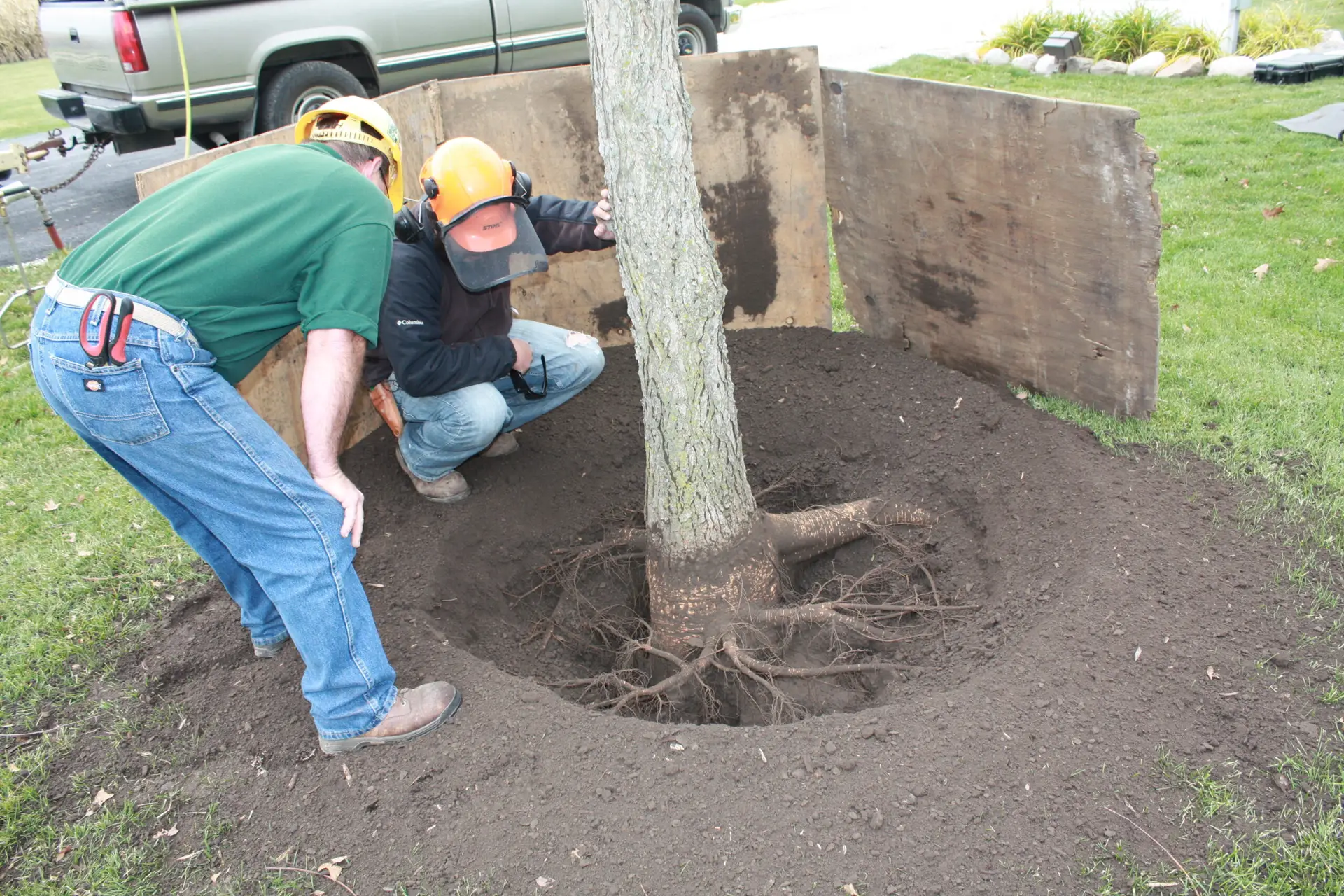
Short Answer: An ISA-certified arborist is a tree care professional who has passed a comprehensive exam administered by the International Society of Arboriculture, demonstrated at least three years of practical experience, and maintains ongoing continuing education. They are trained to diagnose tree health issues, recommend proper pruning and treatment, identify disease and pest problems, and make informed decisions about tree preservation and removal. For Illinois homeowners, working with a certified arborist matters because our trees face specific threats (emerald ash borer, storm damage, disease) that require expert knowledge to address properly.
Most homeowners think about their trees mainly when something goes wrong. A branch falls after a storm. Leaves start turning brown in July. A tree that has been there for decades suddenly looks thin and unhealthy. At that point, the question becomes: who do you call?
The answer makes a bigger difference than most people realize. The difference between a certified arborist and someone with a chainsaw and a truck is the difference between a doctor and someone who watches medical shows. Both might attempt the same work, but the outcomes are very different. Here is what ISA certification actually means and why it matters for the trees on your property.
What ISA Certification Requires
The International Society of Arboriculture (ISA) is the globally recognized credentialing body for tree care professionals. To earn ISA certification, an arborist must have a minimum of three years of full-time, practical experience in arboriculture. They must pass a comprehensive examination covering tree biology, soil science, tree identification, pruning techniques, disease and pest diagnosis, safety practices, and tree risk assessment. And they must maintain their certification through ongoing continuing education, demonstrating that their knowledge stays current with evolving research and best practices.
This is not a weekend course or an online certificate. It represents a significant investment of time, study, and professional development. When you work with an ISA-certified arborist, you are working with someone who has proven their knowledge through a rigorous, independent process.
What an Arborist Actually Does
The scope of an arborist’s work goes far beyond cutting branches. A certified arborist evaluates the overall health and structure of your trees, looking for signs of disease, pest infestation, structural weakness, and environmental stress. They understand how trees grow, how they respond to pruning, and how different species behave in specific soil and climate conditions.
Proper pruning is one of the most important services an arborist provides, and it is also one of the most commonly done incorrectly. Improper pruning can weaken a tree, create entry points for disease, and cause structural problems that increase the risk of failure. A certified arborist knows where to cut, how much to remove, and what cuts to avoid based on the species, age, and condition of the tree.
Arborists also diagnose and treat tree diseases and pest infestations. In Illinois, our trees face specific threats including emerald ash borer (which has devastated ash tree populations across the state), Japanese beetles, various borers, apple scab, oak wilt, and bacterial leaf scorch. Identifying these problems early and applying the right treatment can mean the difference between saving a tree and losing it.
Why Certification Matters for Illinois Trees
Illinois trees deal with a unique set of challenges. Our climate swings from bitter cold winters to hot, humid summers, and the transition seasons bring their own stresses. Spring freeze-thaw cycles can damage bark and roots. Summer storms with high winds and heavy rain can cause structural damage. And the pests and diseases that thrive in our region require specific knowledge to identify and treat.
A certified arborist understands these challenges at a level that non-certified tree workers simply do not. They know which species are most vulnerable to which threats in our area. They know the timing windows for treatments to be most effective. And they understand the long-term implications of the decisions made about your trees today.
Consider a scenario we see regularly: a homeowner hires an uncertified tree service to remove a large branch. The worker makes the cuts in the wrong location, leaving a stub that does not heal properly. Within two years, decay fungi have entered through the wound, and the structural integrity of the tree is compromised. What started as a simple pruning job has now created a safety hazard that may require removing the entire tree. A certified arborist would have made the proper cut in the first place, allowing the tree to compartmentalize the wound and continue growing healthily.
Tree Risk Assessment
One of the most valuable services a certified arborist provides is tree risk assessment. This is a systematic evaluation of whether a tree poses a risk to people or property based on its structural condition, health, and proximity to targets like homes, driveways, and walkways.
Not every declining tree needs to be removed, and not every healthy-looking tree is safe. A certified arborist can identify internal decay, root problems, and structural defects that are invisible to the untrained eye. They can also recommend mitigation strategies like cabling, bracing, or targeted pruning that reduce risk without removing the tree entirely.
After major storm events, which are common in central Illinois, tree risk assessment becomes especially important. Trees that appear to have survived a storm may have sustained hidden damage that makes them more likely to fail in the next event. A professional assessment after significant weather events can identify these risks before they become emergencies.
How to Verify Certification
If someone tells you they are a certified arborist, you can verify their credential directly through the ISA website. Every ISA-certified arborist has a credential number that can be looked up to confirm their certification is current. This is a simple but important step that protects you from unqualified operators who claim credentials they do not have.
You can also ask about their insurance, their experience with the specific species on your property, and whether they follow ANSI A300 standards for tree care operations. These questions help you quickly separate the professionals from the amateurs.
What to Do Next
If you have trees on your Illinois property that need attention, whether it is routine pruning, disease diagnosis, risk assessment, or emergency storm response, Taylor’s Way has the expertise to help. We have 8 ISA-certified arborists on staff, which means you are getting the highest level of tree care knowledge available.
Call us at (815) 875-8231 or visit taylorsway.com to schedule a consultation. Our team serves communities across central and northern Illinois including Princeton, Ottawa, Peru, La Salle, Peoria, Dixon, and beyond. Our 100% No Risk Guarantee applies to every service we provide, because your trees deserve the same level of commitment we have given to Illinois families for over 50 years.