Christmas Light Installation
When to Book Christmas Light Installation in Princeton
Taylor's Way • October 2026 • Princeton, IL • 7 min read
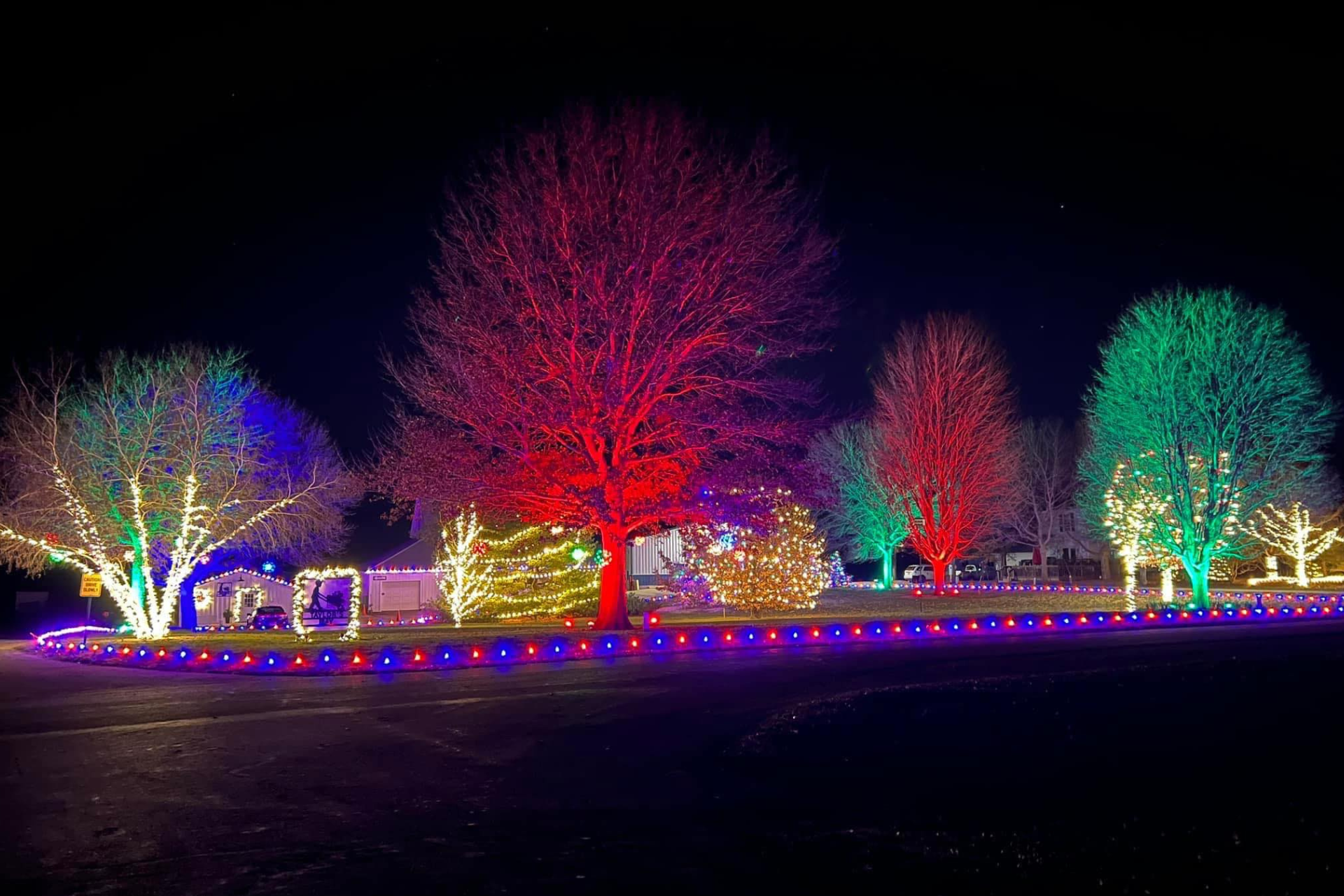
Short Answer: Book in October. The installation season in north central Illinois runs roughly five weeks from early November to mid December, and it is shorter than that in practice because cold, wind, and the first snow all take days off the calendar. Crews build buffer for weather and a late booking has none left. A professional install normally includes design, commercial grade materials, installation, service through the season, and takedown in January, which is the part that matters most in this climate.
Nobody wants to think about Christmas lights while there are still leaves on the trees, and that reluctance is exactly why installation calendars fill the way they do every year.
Around Princeton the season is genuinely short, and weather makes it shorter. Here is how it actually works and what to sort out before calling.
Why the Window Is So Tight Here
Holiday lighting is the most compressed service in this industry anywhere, and an Illinois winter compresses it further.
The workable installation season runs from roughly early November to mid December. Everyone wants lights on for the same stretch, so there is no way to spread the work across the year.
Then weather takes days out of it. This is ladder and roof work, and it stops for rain, for wind, and for ice. An early cold snap or a first snow in mid November can remove a week from a calendar that has no slack in it.
Cold itself is a limit. There is a point where working safely on a roofline stops being reasonable, and crews reach it earlier than homeowners expect.
Returning customers generally hold their previous dates, which fills a meaningful share of the schedule before any new bookings are taken. What remains goes quickly once the first cold front arrives and people start thinking about it.
The practical consequence is that October is the right month to call, and it is not early.
What a Professional Install Includes
More than someone hanging lights, and knowing the components helps you compare what you are being offered.
Design comes first. A walkthrough establishes what gets lit, which rooflines, which trees, what the entry looks like, and how the property reads from the road. On a rural property with a long approach that view matters more than it does on a town lot.
Materials are normally provided by the installer and remain theirs. Commercial grade product uses heavier wire, better weather sealing, and replaceable bulbs, and it is cut and assembled to fit your specific rooflines rather than being strung end to end in whatever lengths the box contained.
Installation includes clips, timers, and power management, which is a larger part of the job than people expect on a house with limited exterior circuits.
Service through the season is what separates a service from a one time job. Something always goes out in December, and whether a crew comes back to fix it is a real difference in value.
Takedown closes it, and in this climate that is worth more than anywhere warmer.
Takedown Is the Underrated Part
People evaluate these services on the install and the part that actually changes their winter is the removal.
Taking lights off a roofline in Illinois in January means cold, short daylight, and frequently ice on the surfaces you are standing on. It is genuinely unpleasant and it is where the real injury risk sits.
That is why so many displays around here stay up into February. Not because anyone wants them to, but because the weather never quite cooperates on a weekend when someone is available.
A service that includes takedown removes the job entirely, and it also removes the storage question, since materials go back to the installer rather than into your garage.
If you are comparing quotes, confirm takedown is included and roughly when it happens. A quote without it is not comparable to one with it.
Lighting Trees in This Climate
Worth its own attention because it is the part homeowners most often underestimate and because it changes what the property looks like from the road.
Wrapping a mature tree is labor intensive. The trunk and major limbs get wrapped individually, and on a large tree that is hours of work at height. Material consumption is also far higher than people guess, since wrapping uses much more light per visual effect than a roofline does.
The payoff is that wrapped trees read from a distance, which on a property set back from the road is the difference between a display people notice and one they drive past.
There is a tree health point worth making. Wrapping should not be tight enough to constrict, and material should come off at the end of the season rather than being left to girdle limbs as the tree grows. Lights left on a tree year after year cause real damage, and that is another argument for a service that includes removal.
Timing matters here too. Wrapping is easier before deep cold makes wire stiff and hands unreliable, which is another reason installation happens in November rather than December.
Power and Timers
The unglamorous part, and the source of most failures people experience on their own installs.
Every run draws current, and a large display can exceed what a single exterior circuit will carry. Tripped breakers on the first cold evening are the classic symptom of a display planned without regard to load. A professional install distributes runs across available circuits.
LED has made this much easier, since draw is a fraction of what incandescent required, which is one reason displays have gotten larger.
Timers should be part of the install rather than an afterthought. Given how early it gets dark here by December, having lights come on automatically at dusk is worth the small additional cost, and a photocell or astronomic timer handles the changing sunset without anyone adjusting anything.
Cords and connections need to be rated for outdoor use and kept up out of standing water and snowmelt, which matters more here than in a dry climate.
What to Decide Before You Call
A few decisions speed the process and produce a better quote.
Roughly what you want lit. The roofline alone, the roofline plus the entry, the trees out front, or the whole property. That scope drives everything else.
Color direction. Warm white reads traditional and flatters most siding. Multicolor reads festive and is what a lot of families want. Consistency across the property matters more than the specific choice.
Any access issues worth mentioning, such as a steep or tall roof, a gated area, dogs, or a long driveway that gets difficult after snow.
And photos of previous years if you liked a particular look, since visual references communicate faster than description.
If You Currently Do It Yourself
Plenty of people around here do, and the comparison is worth laying out honestly.
Materials are yours, so the cost is front loaded rather than recurring, though consumer grade strings frequently do not survive many seasons and get replaced more often than people account for.
The time commitment is the larger factor. A first year install on a two story house is a full weekend, and takedown in January is another day in worse conditions.
Safety is the part we would not gloss over. Ladder work on a roofline in cold weather is genuinely where people get hurt during the holidays, and an icy January removal is the worst version of it. For anyone who has been doing this for decades and is starting to think about it differently, that consideration frequently outweighs the cost comparison entirely.
What to Do Next
Call now rather than in November. October is when design conversations happen and when good installation dates are still available, and the calendar tightens quickly once the first hard freeze shows up in the forecast.
Walk your property after dark and look at it from the road, since that perspective tells you which features are worth lighting and which are not visible enough to bother with.
When talking to any company, confirm four things. Are materials provided and whose are they. Is service during the season included. Is takedown included and when does it happen. And what is the installation timeline.
If you have large trees you want wrapped, mention them early, because they drive both the scope and the schedule more than anything else.
To get on the schedule for this season, call Taylor's Way at 815-875-8231 or visit taylorsway.com. We are a family owned business that has served Princeton and the surrounding communities for more than 50 years, and we know how short the window is here.