Lawn Tree and Pest
What Lawn, Tree, and Pest Care Cost Around Princeton
Taylor's Way • September 2026 • Princeton, IL • 7 min read
Short Answer: Around Princeton and Bureau County, a full year lawn program of five to seven applications generally runs $350 to $700 on a typical residential lot. Aeration and overseeding is separate work, commonly $250 to $600 depending on size and seed. Quarterly exterior pest control usually runs $350 to $600 annually. Tree care is the most variable, since it is priced per tree and by size, so a single treatment can range from under a hundred dollars to several hundred. Each of the three is priced on completely different logic, which is why they should be quoted separately.
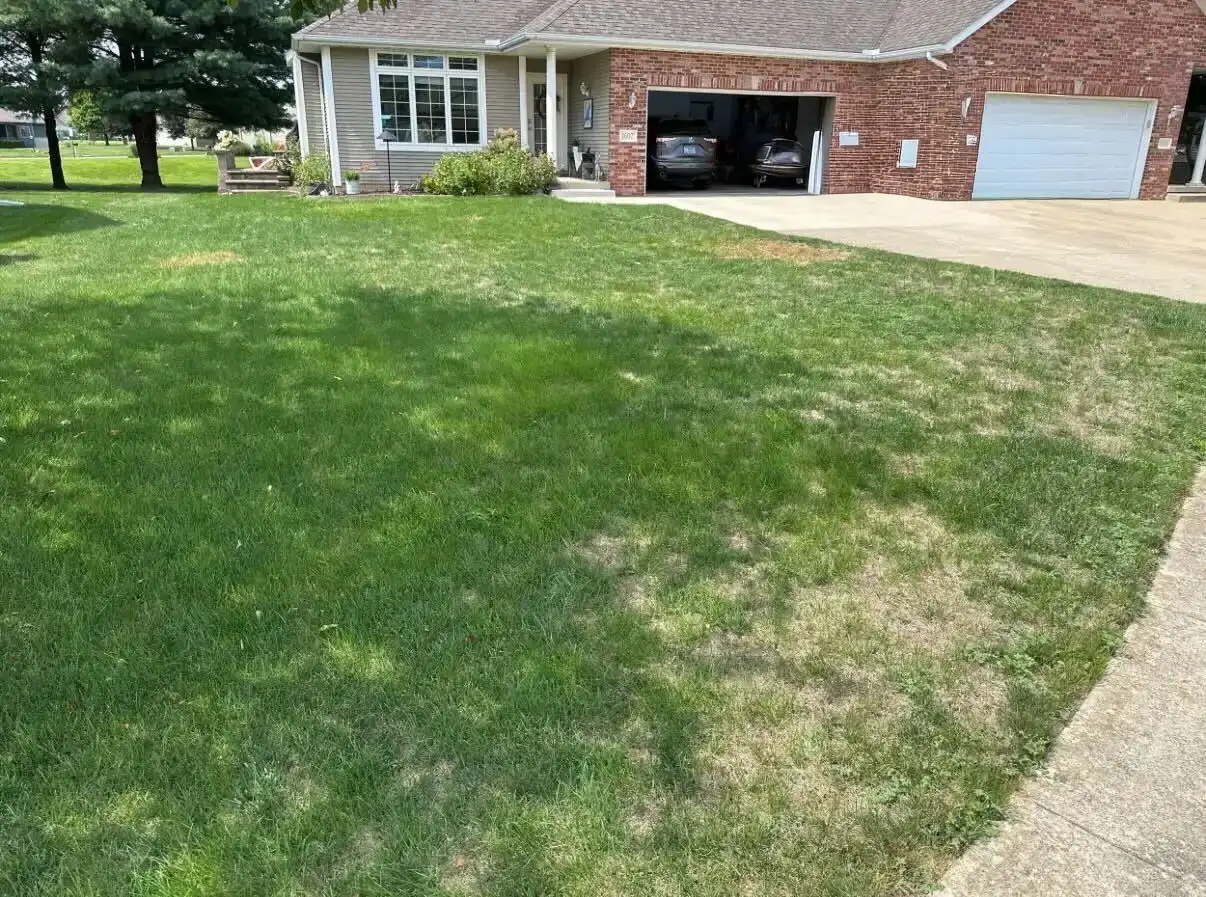
We get asked this constantly, and the honest difficulty is that lawn, tree, and pest care are three different businesses that happen to be delivered by the same company. They are priced on different units, so a single combined number tells you very little.
Here is how each one is actually built.
Lawn Care Is Priced by Area
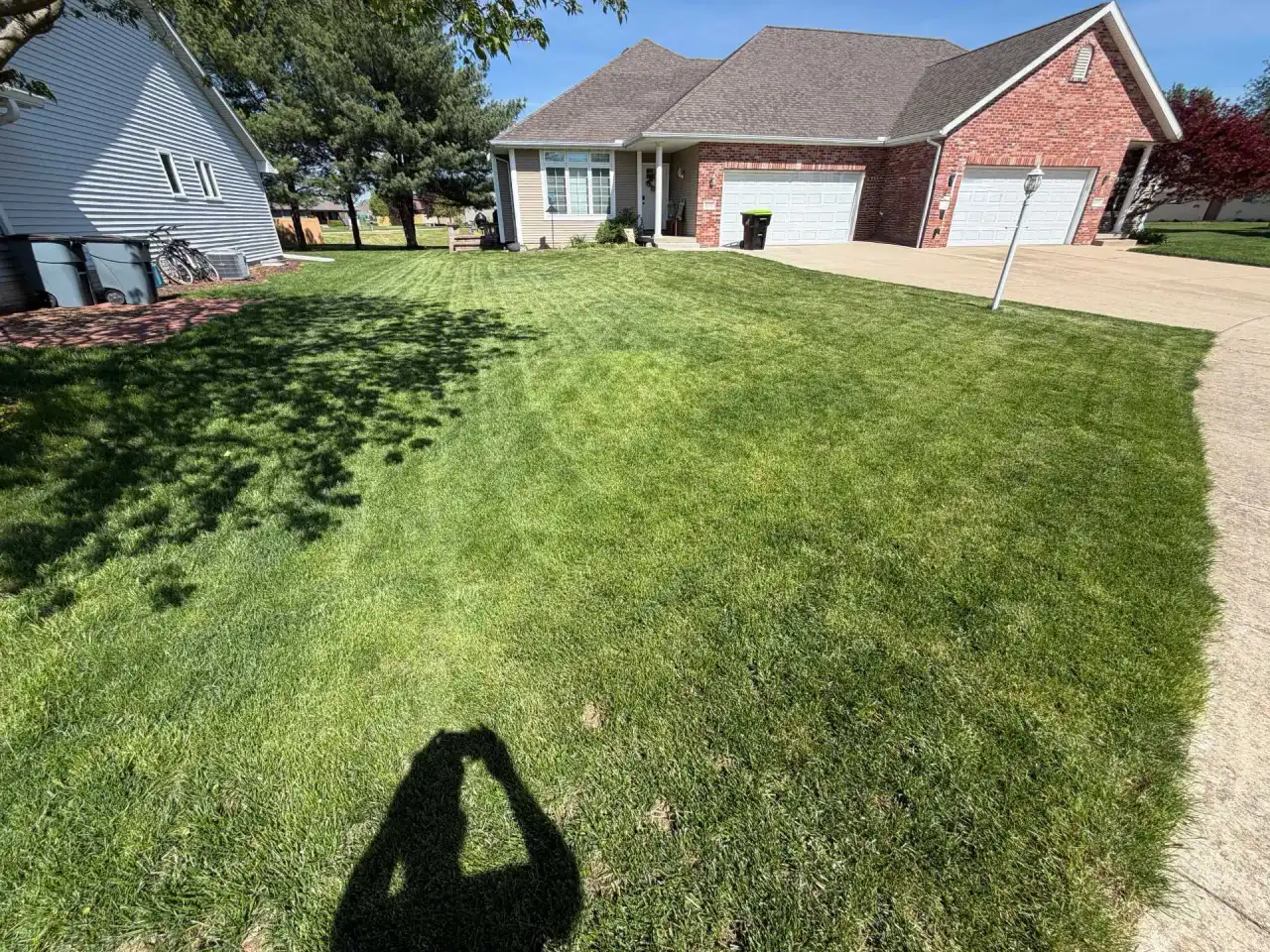
Nearly every input scales with square footage. Fertilizer and control products are measured per thousand square feet, and time on site scales with area, so a lawn program is quoted on measured turf rather than lot size.
That distinction matters more than people expect. A large lot with a substantial house, a long drive, mature trees, and beds may have half the turf of a similar sized open lot.
A full year program in our climate generally means five to seven applications, running roughly $350 to $700 on a typical residential lawn. Our cool season calendar has a distinct shape: early spring pre-emergent, spring and early summer feeding and broadleaf control, a lighter summer approach because you do not push cool season grass in July, and then the important autumn feedings.
Aeration and overseeding is separate work with its own equipment and material cost. On a typical lot expect $250 to $600 depending on area and the quality of seed specified. Seed is a real cost and varies enormously, which is the most common reason two quotes differ by a couple of hundred dollars.
Grub control commonly adds $60 to $120 for the season, and it is genuinely worth carrying on most properties in our area.
Pest Control Is Priced by the Structure
Different logic entirely. What matters is the perimeter footage of the building, its construction, the number of entry points, and the specific pressures on the property.
Quarterly exterior service on a typical home generally runs $350 to $600 for the year, often with a higher initial visit because the first service includes a thorough inspection and more intensive treatment.
Individual problems price separately. Rodent work is priced according to how much exclusion is needed, which is the part that actually solves it. Stinging insect nest removal is usually a one time charge. Specific invasions such as boxelder bugs or cluster flies are handled as targeted treatments.
Properties on the edge of fields around Bureau County reliably carry higher pressure than houses in town, particularly for rodents in autumn, and pricing reflects the reality rather than the postcode.
Tree Care Is Priced Per Tree
This is the one that surprises people, because there is no such thing as a standard price.
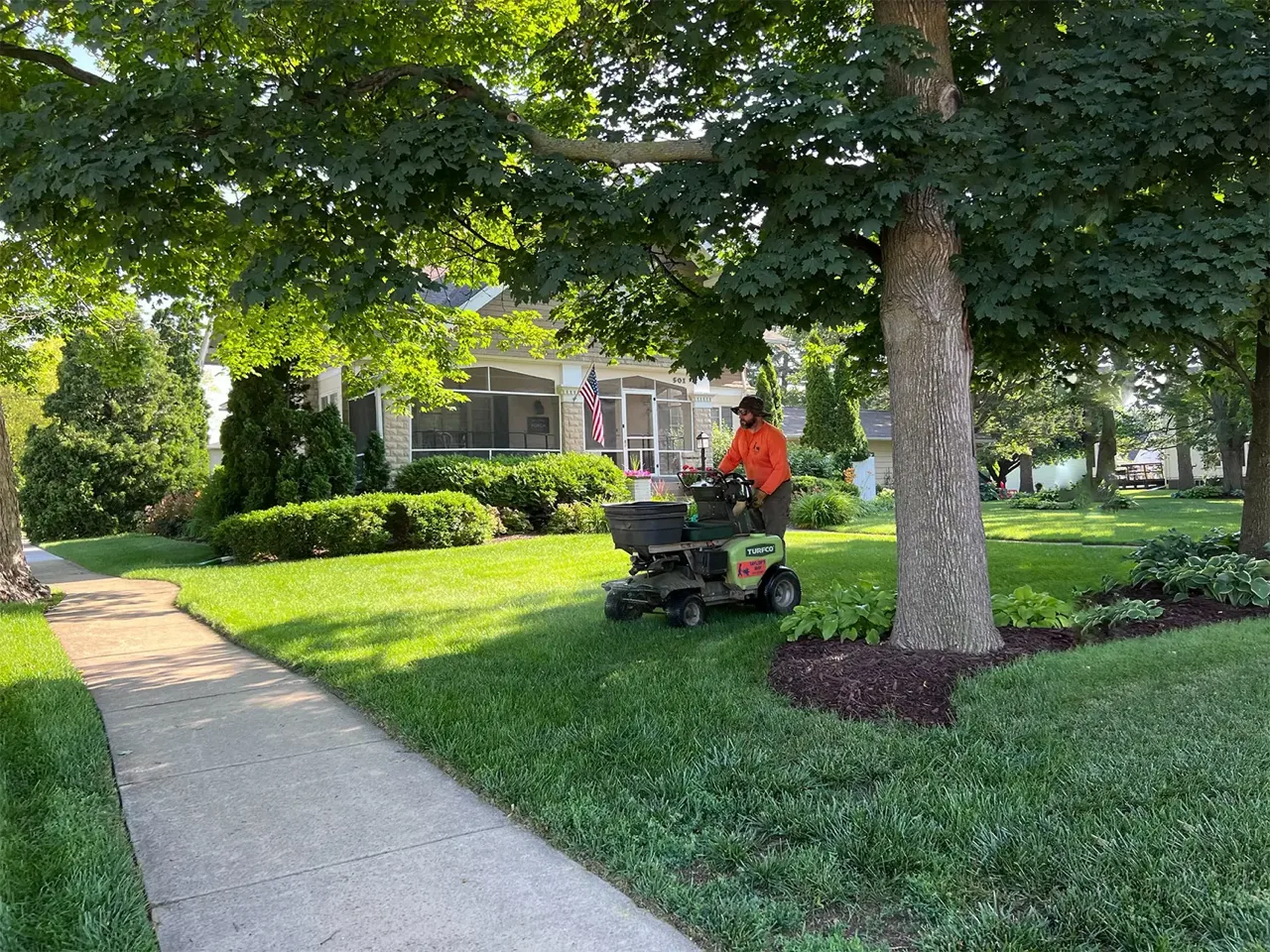
Treatments are dosed by trunk diameter, so a mature tree costs several times what a young one does for the same treatment. That is not a markup, it is simply the amount of product required.
Deep root fertilization, insect treatments, disease management, and emerald ash borer injections are each their own service, and a property with three trees needing attention is three line items rather than one.
Ash borer treatment deserves specific mention, since it is a recurring commitment repeated every one to two years for as long as you want the tree, not a one time purchase. That ongoing figure is the number to weigh against removal.
Removal and pruning are separate work again, priced on size, access, and what is underneath the tree. A large tree over a house or utility lines costs considerably more to remove than the same tree in an open field, for good reasons.
Where a Combined Program Genuinely Helps
Bundling usually saves something on shared trips, and that saving is modest. The better argument is different.
These three areas interact on a property in ways that are invisible if three separate companies each see their own slice. A tree gradually shading a lawn area is a tree question and a turf question at the same time. Grubs in the lawn are what draws the animals digging holes in it. Overwatering produces shallow rooted turf, fungal problems, and the damp conditions pests prefer, all at once.
When the same people are on a property across the year, small problems get caught early. Ash decline spotted in year one rather than year three. A wasp nest starting under an eave. A downspout dumping against the foundation.
What we would not do is tell you to buy all three regardless. If your trees are healthy and you have no pest issue, buy the lawn program.
What Moves a Quote
Measured turf area is the biggest lawn factor. Perimeter and construction are the biggest pest factors. Trunk diameter and access drive tree work.
Condition matters across all three. A neglected lawn needs a recovery year that costs more than a maintenance year, and that premium typically fades across about two seasons as weed pressure drops and turf thickens. A property with an active infestation needs more initial work than one on preventive maintenance.
Access affects everything. Gate width determines what equipment reaches the back yard, and on tree work, whether a truck can get close changes the labor substantially.
What Is Worth Buying First
If the whole list is more than you want to spend this year, there is a sensible order, and it is not the order most people choose.
Trees come first, and this surprises people. A mature tree is the most valuable and least replaceable thing on most properties. A lawn neglected for a year recovers. A tree lost to borers or untreated disease is gone for twenty years, and removal costs considerably more than treatment would have. If you have one ash worth protecting or a declining specimen tree, that is where the first dollar goes.
Pest control comes next where there is an active problem, because pest issues get worse rather than plateauing, and a rodent population that establishes over one winter costs more to resolve than preventing it would have.
Lawn care is genuinely the most deferrable of the three, which is an odd thing for us to write. A lawn that misses a year looks worse and recovers. It does not become unrecoverable.
Within lawn care, if you can only do one thing in autumn, aeration and overseeding on a thin cool season lawn returns more than an additional fertilizer application does.
Comparing Quotes Fairly
Ask for the three services priced separately even if you intend to combine them. That single request makes competing quotes comparable.
On lawn, ask how many applications, what goes down in each, whether pricing is on measured turf, and whether aeration and seeding are included. On seeding specifically, ask what cultivar and what rate per thousand square feet.
On pest, ask how many visits, what is covered, what is excluded, and whether return visits cost extra.
On trees, ask which trees are included, what each treatment is for, and how often it repeats.
Then ask everyone whether the quoted figure is an introductory rate or the ongoing one.
What to Do Next
Work out roughly how much of your property is actually turf, count the trees you genuinely care about, and make an honest list of pest issues you have had in the last year rather than ones you are worried about in the abstract.
Those three lists produce accurate quotes instead of ranges.
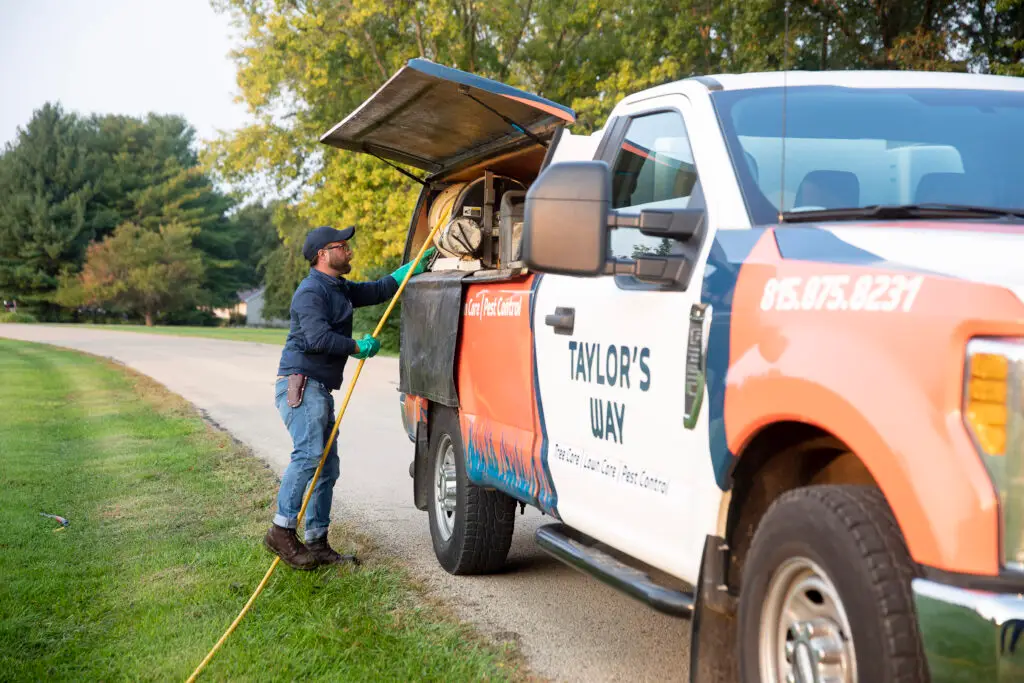
If you would like us to look at it, Taylor's Way has served Princeton, Bureau County, and north-central Illinois for over fifty years across lawn, tree, and pest care. Call 815-875-8231 or visit taylorsway.com.
Here is what to expect. We will measure the turf, look at the trees individually, and walk the structure, then price the three separately so you can see what each costs. Fifty years in one area means we have watched a lot of properties over a long time, and we would rather tell you that one of the three is not worth buying this year than sell you all of it.