Lawn Seeding
Why Fall Is the Best Time to Seed a Lawn in North-Central Illinois
Taylor's Way • September 2026 • Princeton, IL • 7 min read
Short Answer: Fall is the best time to seed a lawn in the Princeton area because cool-season grasses like Kentucky bluegrass, fescue, and ryegrass germinate best in the warm soil and mild air of late summer and early autumn. Seeding now gives new grass two cool growing seasons to establish before the stress of summer, which is why our experts schedule the bulk of their seeding work for fall.
Why Timing Matters So Much for Seeding
When it comes to growing a thick, healthy lawn from seed, few things matter as much as when you put the seed down. Grass seed is not something you can simply scatter in any month and expect to thrive. Each type of grass has a window when conditions are right for it to sprout and take root, and getting that timing right is often the difference between a lush new stand of grass and a patchy, disappointing result. Here in north-central Illinois, that window points squarely at fall.
Our lawns are made up of cool-season grasses, the kinds that do their best growing when temperatures are moderate rather than hot. These grasses have a natural rhythm, and working with that rhythm rather than against it is the single most reliable way to get seed to establish. That is why our experts plan the bulk of their seeding for the fall, when everything a young seedling needs lines up at once.
What Makes Fall the Ideal Season
Fall offers a combination of conditions that is hard to beat for seeding a cool-season lawn. The soil is still warm from summer, which is exactly what seed needs to germinate quickly, while the air has begun to cool, which is what young grass prefers for steady top growth. You get the warm ground that wakes the seed up and the mild air that keeps the seedlings comfortable, all in the same stretch of weeks.
On top of that, fall in our region tends to bring more consistent moisture than the heat of midsummer. New seed needs to stay reliably damp while it germinates and roots in, and the cooler, often wetter conditions of autumn make that far easier to maintain than the dry, punishing weeks of July and August. The combination of warm soil, cool air, and dependable moisture is what makes fall so productive for seeding.
There is also a lot less competition in the fall. Many of the aggressive summer weeds that would fight new grass for space, light, and water are winding down for the year. That gives your new seedlings room to establish without being crowded out, another quiet advantage that autumn seeding has over spring.
Two Growing Seasons to Get Established
One of the biggest reasons fall seeding works so well is what comes after it. Grass seeded in the fall gets a long, gentle runway to mature. It has the rest of autumn to root in, then it rests through winter, and then it wakes up in spring for a second cool growing season before it ever has to face the heat and drought stress of summer. That is essentially two favorable growing seasons back to back.
Compare that to grass seeded in spring, which barely has time to sprout before summer arrives and puts it under stress at the most vulnerable stage of its life. A spring seedling is racing the calendar, while a fall seedling is building strength at a relaxed pace. By the time a fall-seeded lawn meets its first summer, it has a well-developed root system and the maturity to handle the heat. That head start is exactly why fall-seeded lawns tend to be so much thicker and more resilient.
Thicker Grass Means Fewer Weeds
The benefits of a good fall seeding reach well beyond the season itself. A lawn that comes in thick and dense is your best long-term defense against weeds. When grass fills in every bit of space, there is simply nowhere for weed seeds to find sunlight and bare soil to sprout in. A dense stand of turf crowds them out naturally, which means less weed pressure and less effort spent fighting them in the years ahead.
Thin, patchy lawns have the opposite problem. Every bare spot is an open invitation for weeds to move in, and once they do, they spread. Seeding in the fall to build density is one of the most effective things you can do to keep your lawn healthy and weed-resistant over the long haul. You are not just growing grass, you are building a turf that protects itself.
Preparing the Ground for Good Results
Seeding at the right time is essential, but timing alone is not enough. Seed needs good contact with the soil to germinate, which is why the way the ground is prepared matters just as much as the calendar. Simply throwing seed on top of hard, compacted ground tends to waste a lot of it, because much of it never makes real contact with the soil and either dries out or gets carried off.
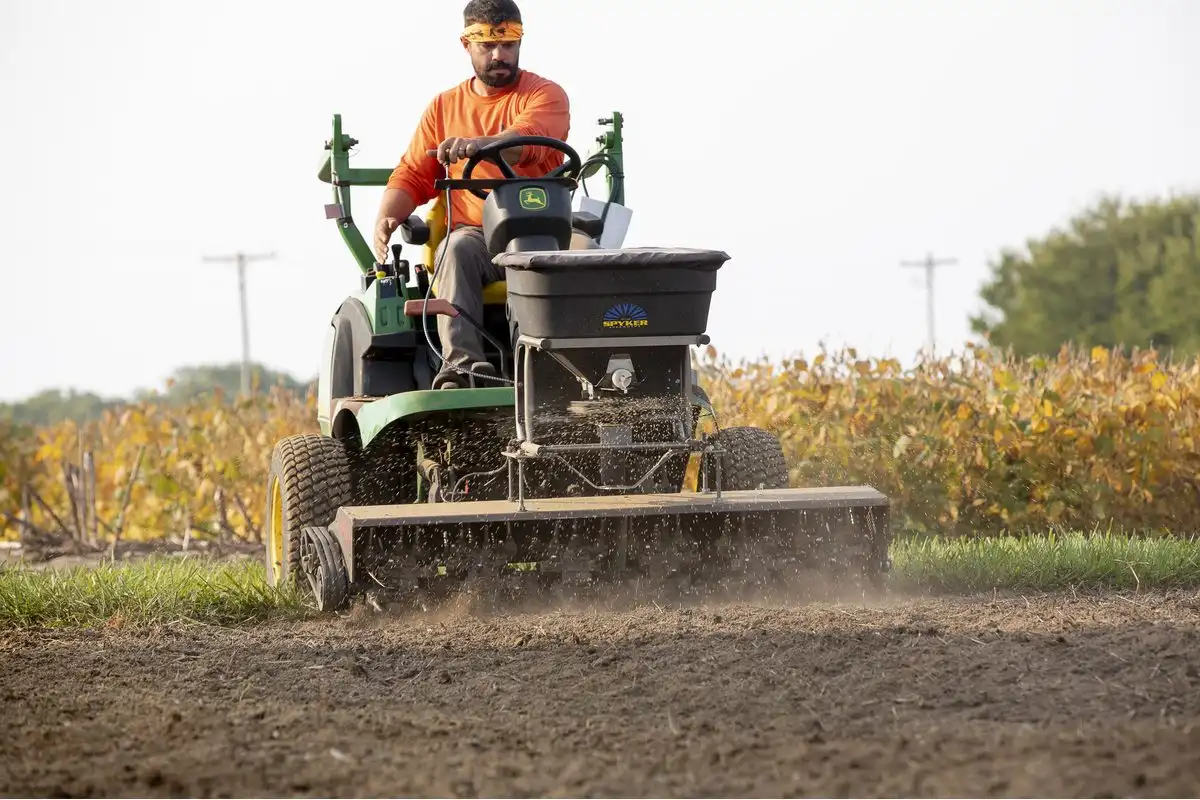
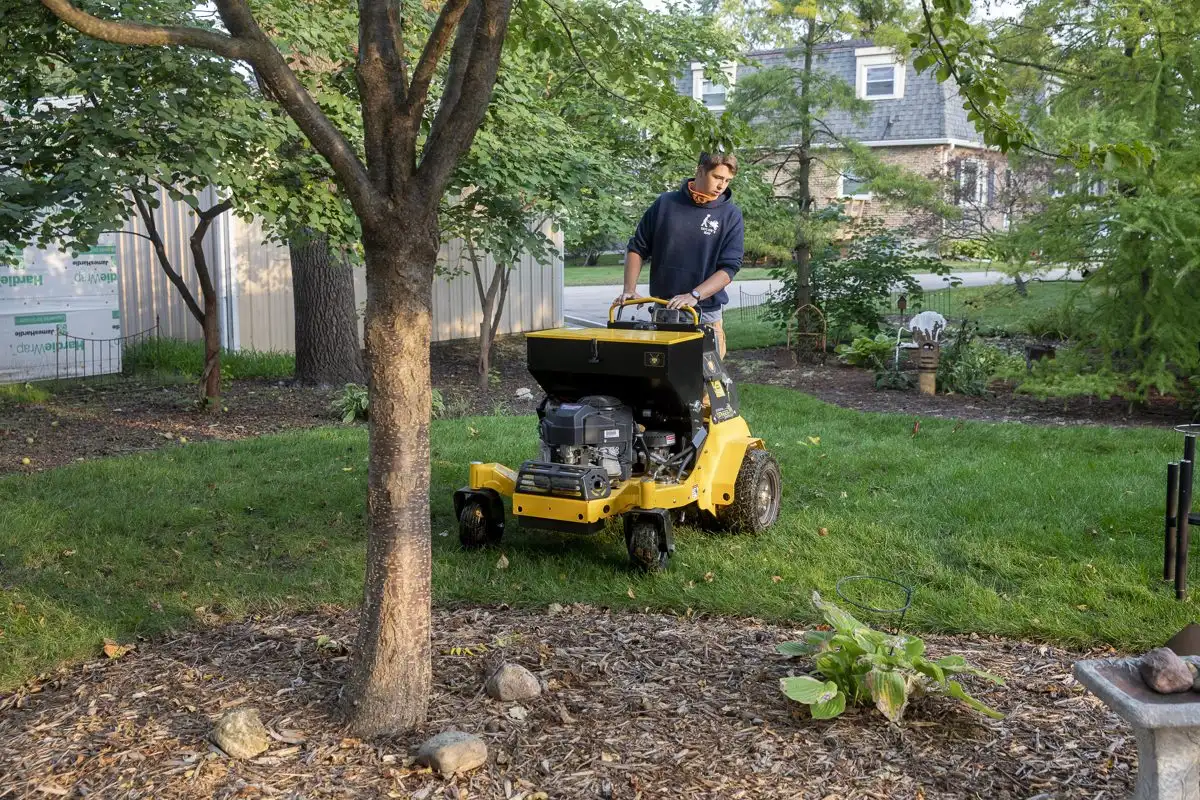
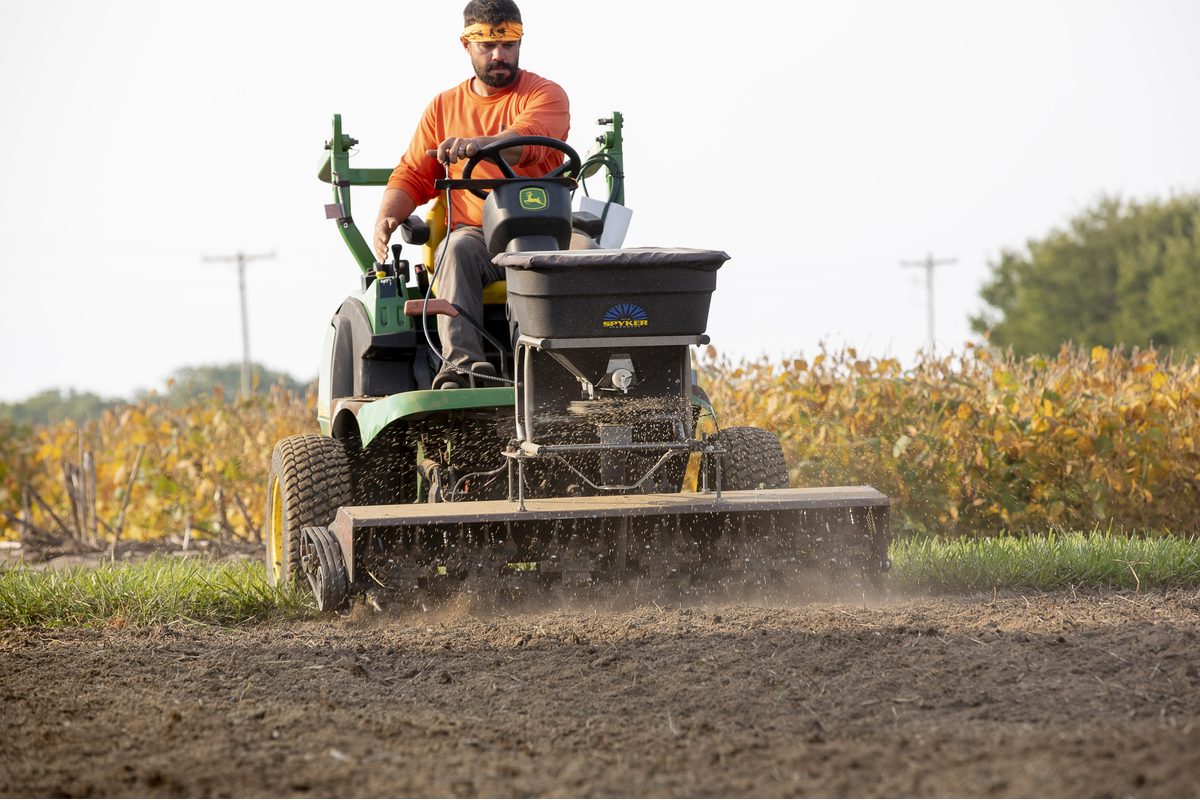
This is where the equipment and approach our experts use come into play. Rather than broadcasting seed and hoping for the best, we work the seed into properly prepared soil so that each seed sits where it can take up moisture and root in. Good ground preparation dramatically improves how much of the seed actually becomes grass, and it is a big part of why a seeding done right looks so different from one done casually.
Why This Is Worth Doing Right
A lawn is a long-term investment in your property, and seeding is one of the moments where doing it right pays off for years. A thin or struggling lawn does not just look tired, it invites weeds, erodes more easily, and never gives you the comfortable, usable yard you want. A thick, healthy lawn does the opposite, and fall seeding is one of the surest paths to getting there.
Because the fall window is genuinely the best opportunity of the year to seed cool-season grass, it is worth taking advantage of while it is open. Our experts know our local grasses, our soils, and how our seasons behave, and they use that knowledge to give new seed the best possible start. That local know-how is what turns a seeding into a lawn you are proud of rather than a bag of seed that never came to much.
What a Fall-Seeded Lawn Looks Like Come Spring
It helps to picture the payoff of fall seeding, because the real reward arrives the following year. A lawn seeded this fall spends the cool weeks of autumn quietly rooting in, then rests over winter, and greens up in spring already thicker than it was. Instead of watching bare patches linger into another summer, you get a lawn that comes out of winter filled in and vigorous, ready to enjoy as soon as the weather warms.
That spring head start is exactly what you are buying when you seed in the fall. The grass is not scrambling to establish under summer stress, it is building on a season of quiet growth that already happened. For a homeowner, that means a better-looking lawn earlier in the year and one that is far better equipped to sail through its first summer. It is the kind of result that makes fall seeding feel less like a chore and more like an investment that pays you back the moment the snow melts. And because the lawn comes out of winter already dense, you spend less of the new year fighting the weeds and bare spots that a thin, spring-seeded lawn tends to struggle with.
What to Do Next
If your lawn has thin spots, bare patches, or has simply lost the density it once had, fall is the season to do something about it. Seeding now sets your lawn up to come back thicker and healthier next spring, and it is one of the best-timed improvements you can make all year. Our experts can look at your lawn, prepare the ground properly, and put down the right seed at the right time so you get results you can actually see.
Reach out to Taylor's Way and Get Your Quote Today. We would be glad to help you build a lawn that comes in thick, stands up to weeds, and gives you a yard you can enjoy for years to come.